
Birds & Habitat
Why the Lowcountry matters to birds
Salt marsh, maritime forest, estuaries and beaches — few places in North America offer birds so much, or ask so little in return.
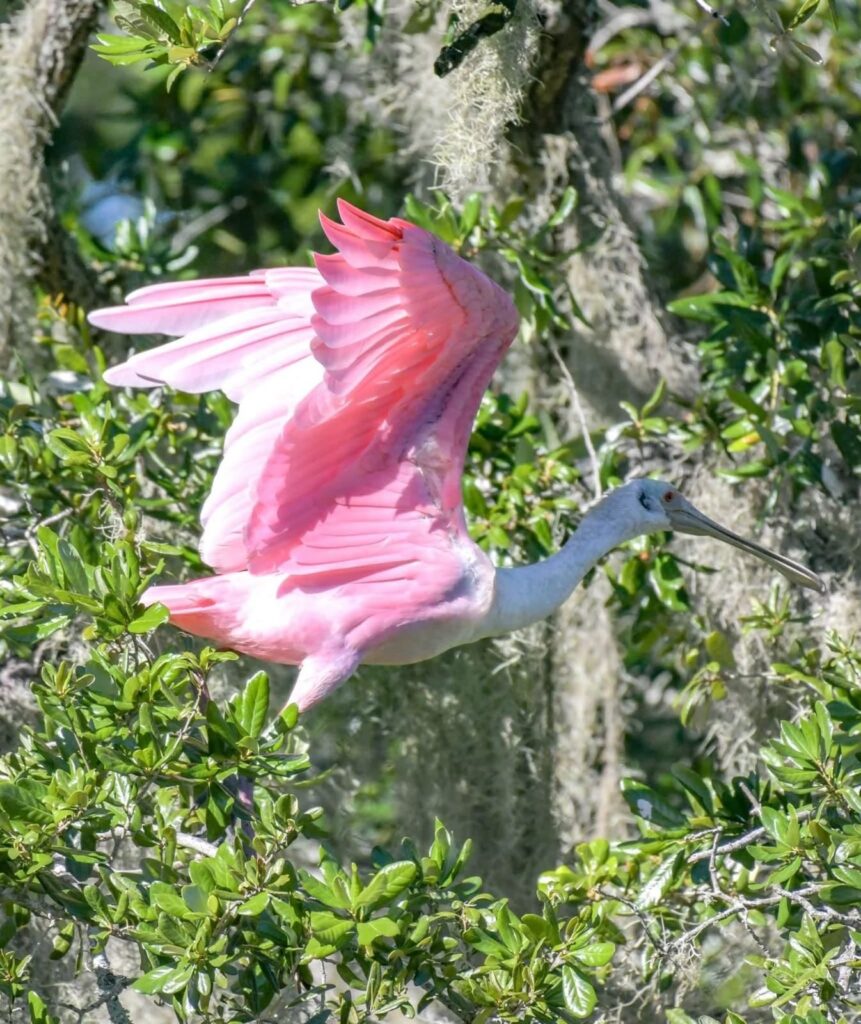
A Vital Landscape
Home base for resident and migrating birds
Beaufort and Jasper Counties play a vital role for both our native birds and the migratory species that pass through each year. The two counties hold about half of the salt marsh in South Carolina — and South Carolina has more salt marsh than any other state on the East Coast.
Thanks to that unique mix of maritime forests and saltwater estuaries, about 300 bird species call our area home or travel through it each year, and the list keeps growing. Numerous threatened and endangered species, from sparrows and songbirds to wading birds and shorebirds, depend on this habitat year-round or seasonally.
Part of the ACE Basin — one of the largest undeveloped estuaries on the East Coast — lies in Beaufort County and draws a different variety of birds still.
Spring & Fall Migration
Millions of birds pass through every year
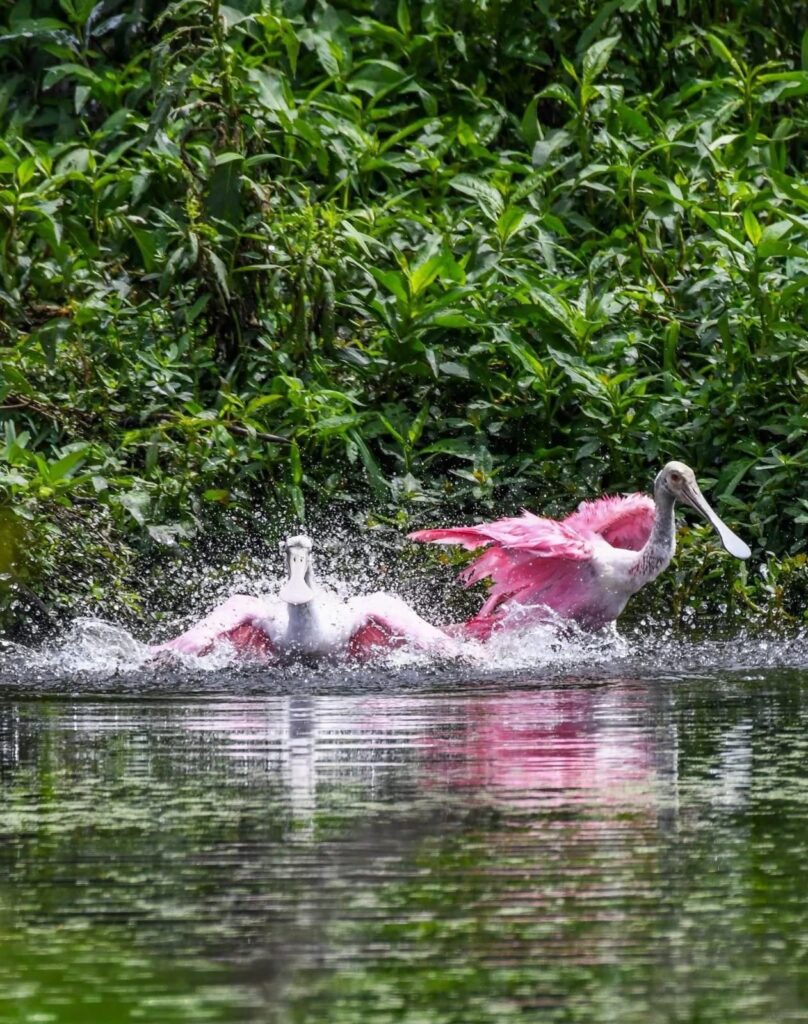
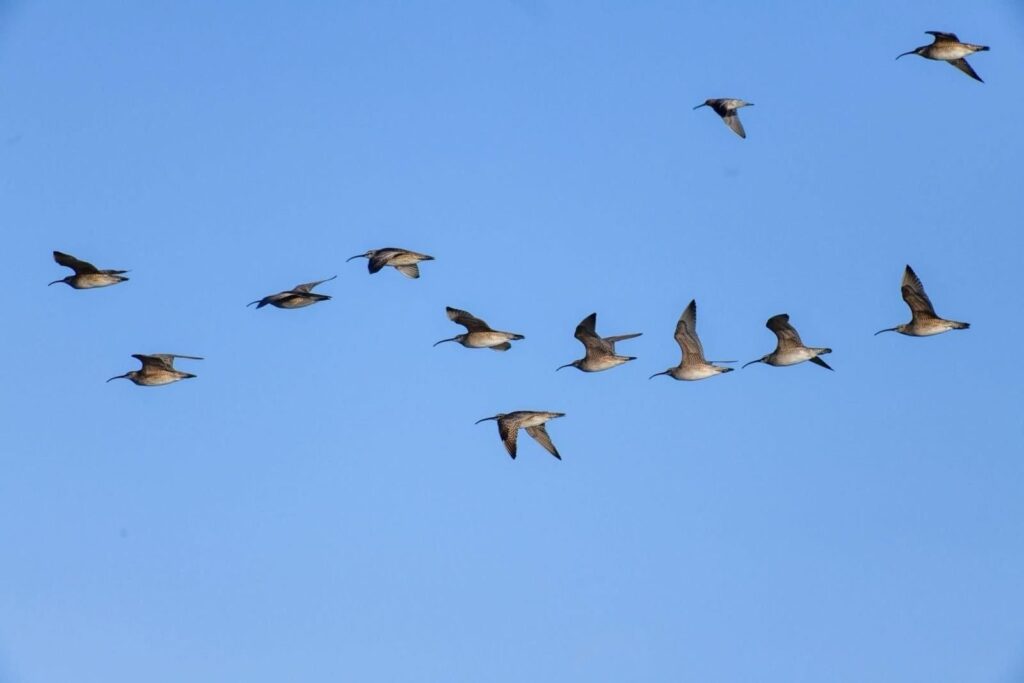
Each spring and fall, millions of birds follow the Atlantic Flyway to and from their breeding grounds. Our beaches, maritime forests, farm fields and waterways become nurseries and refueling stations.
Long-distance travelers like the Red Knot and Hudsonian Whimbrel arrive from as far away as Argentina and Chile after flying nonstop for thousands of miles. Here they must feed constantly — some nearly doubling their body weight — before continuing to their Arctic breeding grounds, a round trip of close to 19,000 miles.
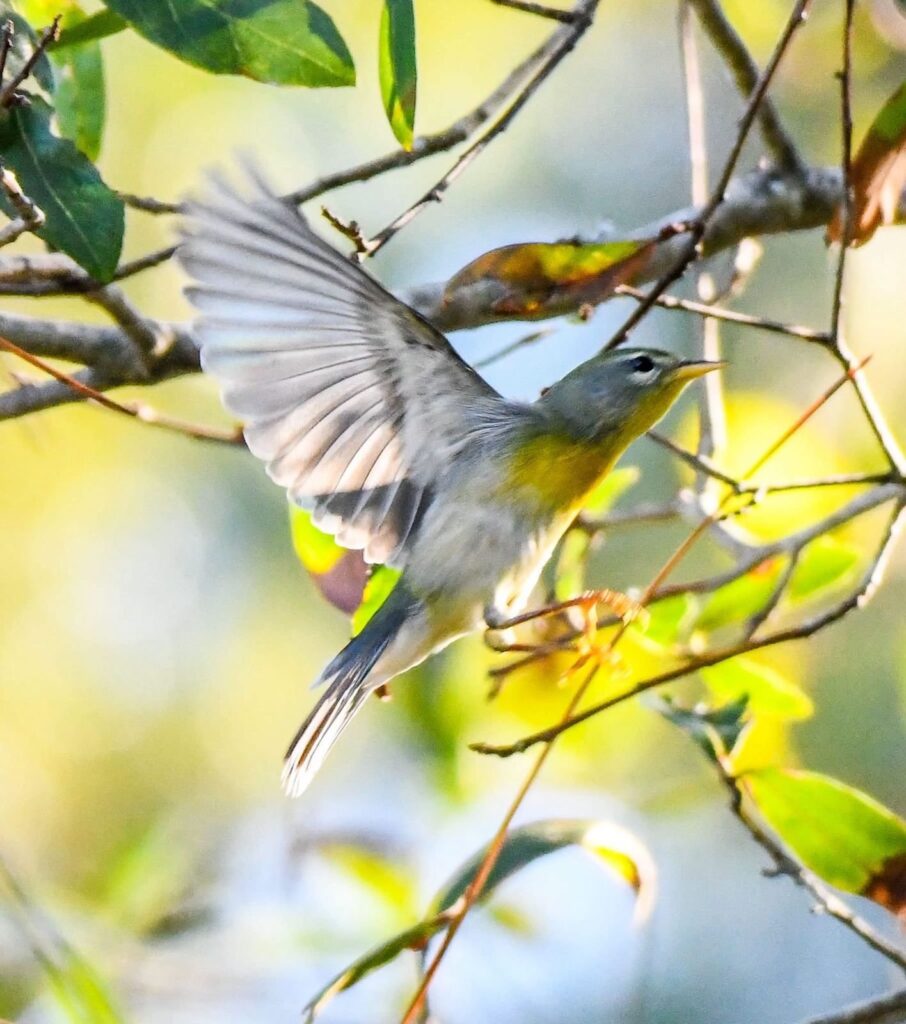
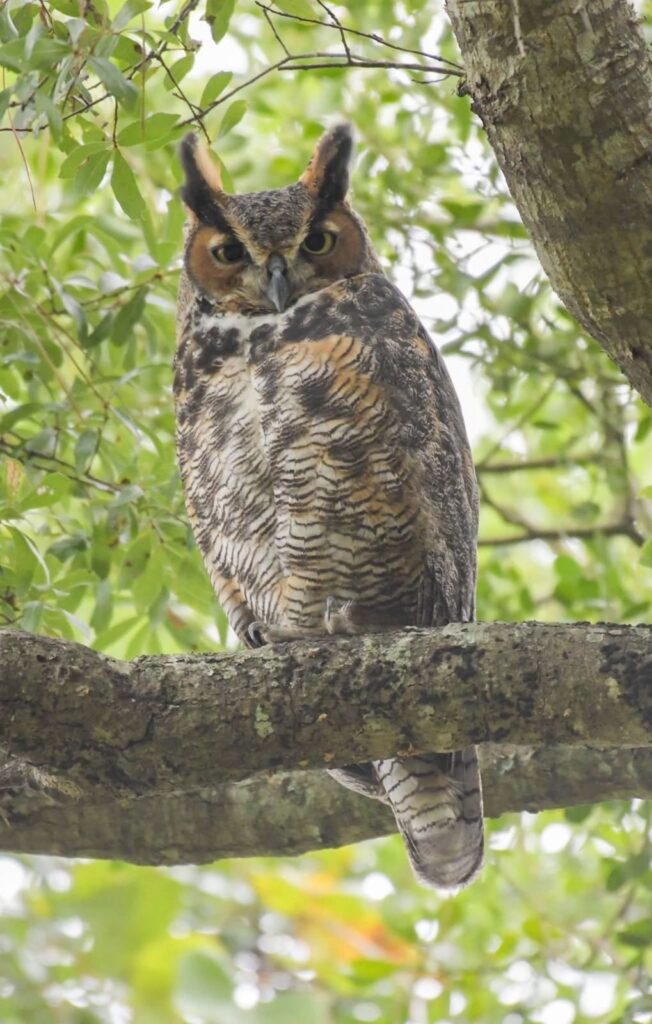
Colorful favorites like the Painted Bunting and Indigo Bunting breed here, alongside Summer Tanagers, Osprey, Bald Eagles, owls, woodpeckers and native songbirds like the Carolina Wren and Northern Cardinal.
Birds in Decline
Birds are disappearing at alarming rates
Window strikes, predators, starvation, exhaustion and habitat loss take an enormous toll — especially during migration. The numbers are sobering:
70%
Decline in North American shorebird populations over roughly the last 50 years.
⅔
Decline of the Hudsonian Whimbrel across the Atlantic Flyway.
2024
South Carolina’s shorebird nesting season showed a statewide decline in nests.
Shorebirds and seabirds to know
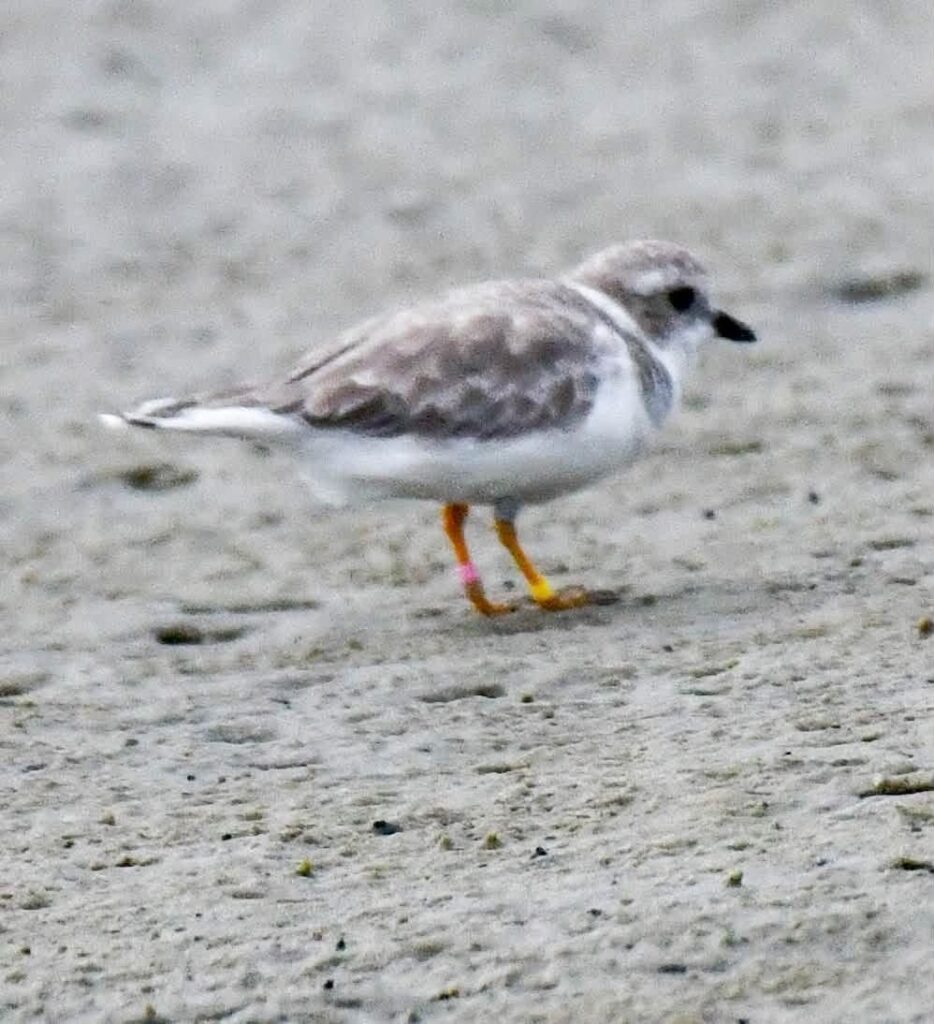
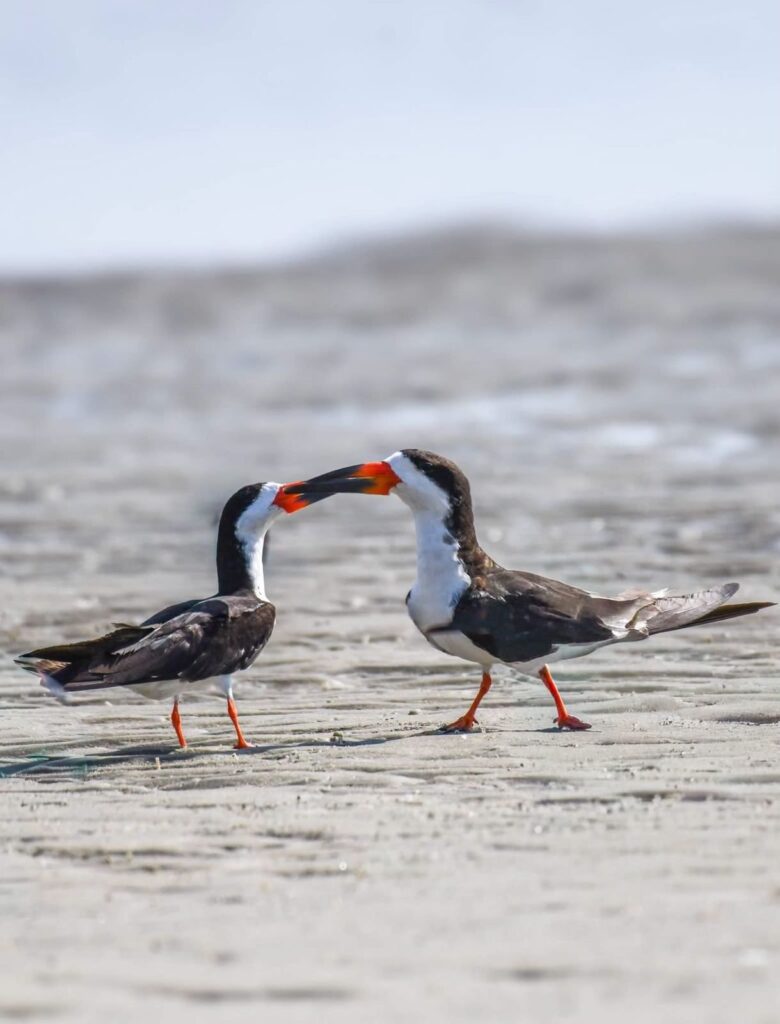
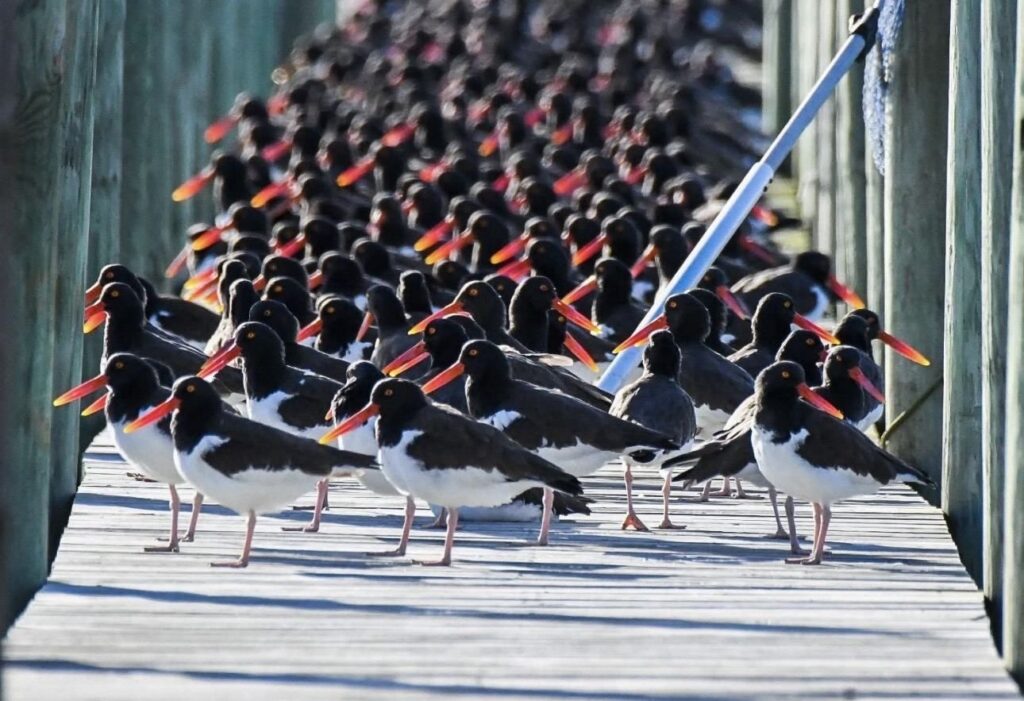
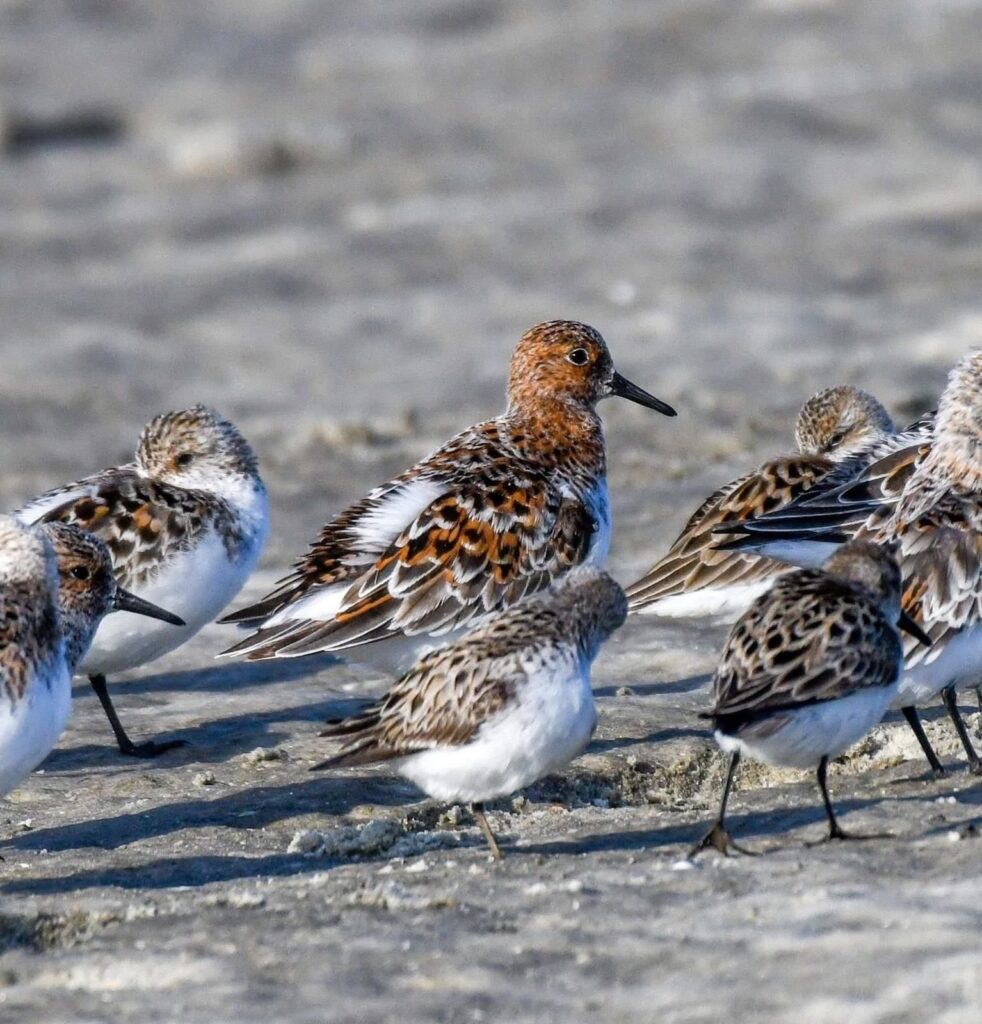
Our coast is critical for the Rufa Red Knot, Hudsonian Whimbrel, Piping Plover, Wilson’s Plover, Least Tern, American Oystercatcher and Brown Pelican. Learning to share the shore makes a real difference for them.
Songbirds, waders and raptors
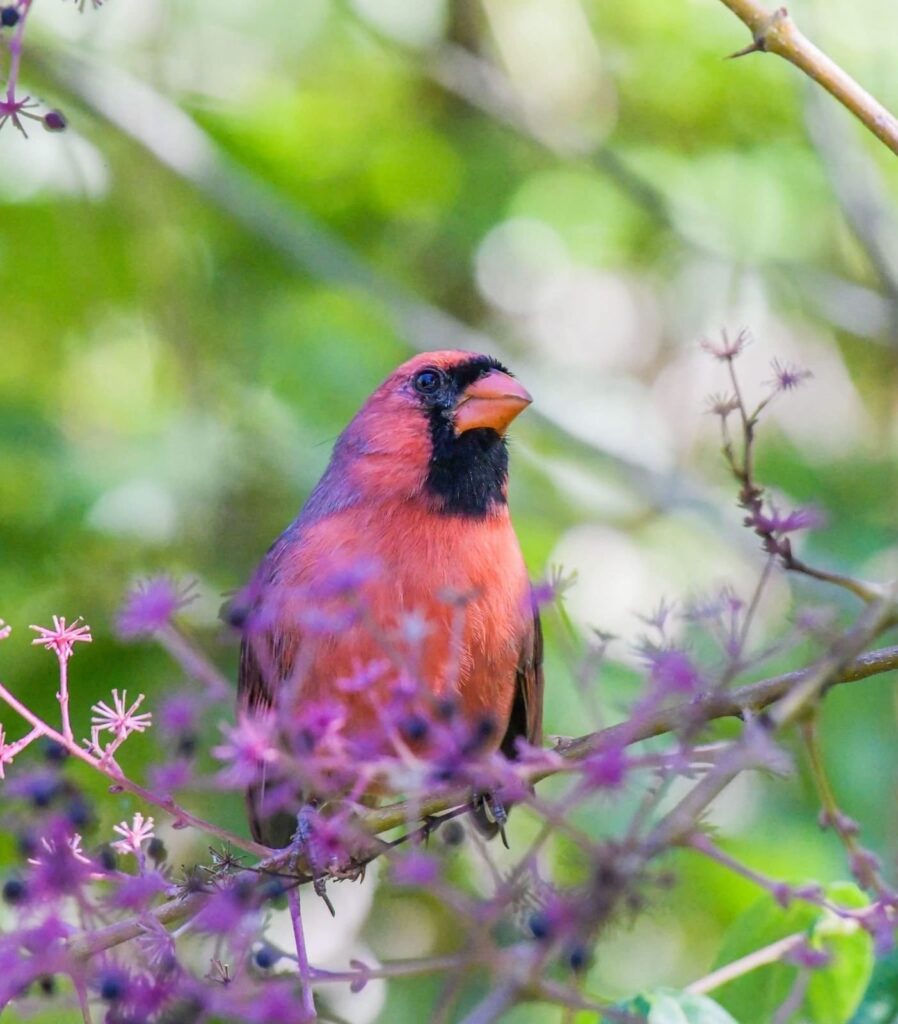
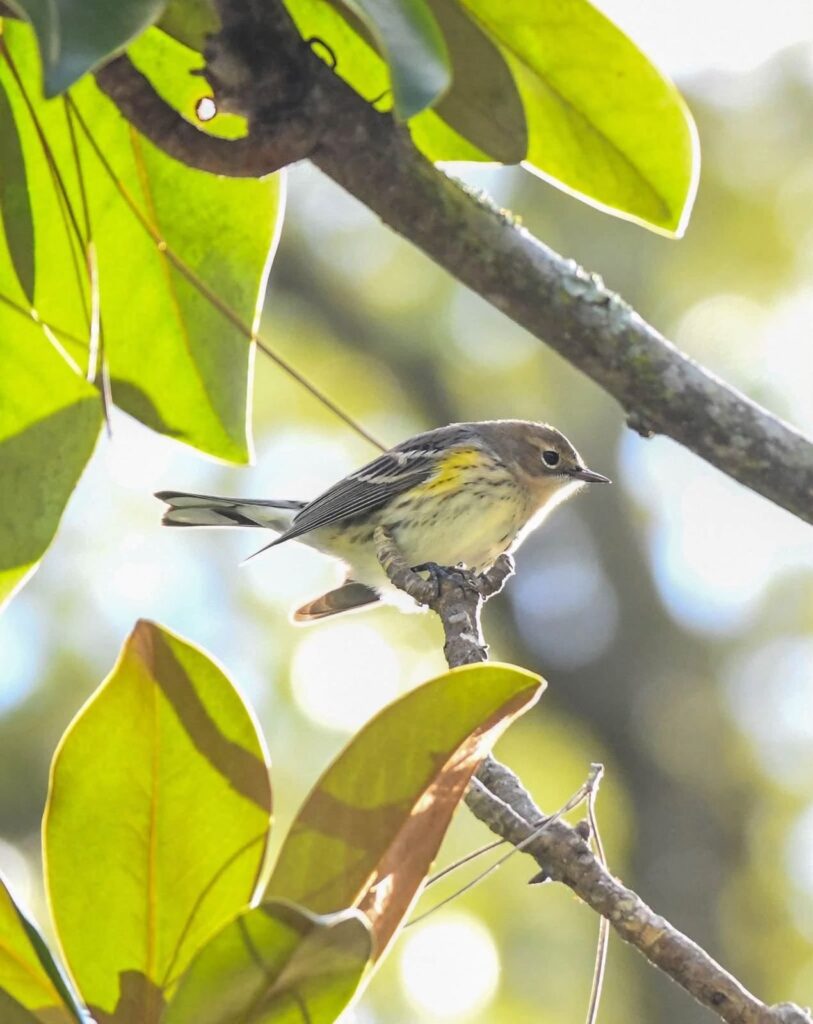
For woodland birds, songbirds, wading birds and birds of prey, native plants, fresh water, natural food sources and fewer pesticides can significantly improve their long-term survival.
A Cautionary Tale
Remember the Carolina Parakeet
The Carolina Parakeet was the only parrot native to the eastern United States. Flocks once ranged from the Atlantic coast to the Mississippi Valley. By the late 1800s their numbers had collapsed from habitat loss — especially the clearing of river-bottom forests — along with hunting for sport, for their colorful feathers and to protect crops, and possibly disease.
The last known wild Carolina Parakeet was shot in Florida in 1904. The last captive bird, named Incas, died at the Cincinnati Zoo in 1918, a year after his mate, Lady Jane.
Their story is a stark reminder that human activity can erase even the most abundant species — and that protecting birds starts long before they become rare.
Every yard and beach walk counts
Simple, practical ways you can help Lowcountry birds starting today.