Bird-Friendly Living
Simple ways to help Lowcountry birds
You don’t need acreage or expertise to make a difference. These everyday choices help the birds that share our yards, marshes and beaches.
01 Leave the Spanish moss
Spanish moss shelters insects and spiders that birds eat, and many birds use it as nesting material. It is not harming your trees.
02 No bugs, no birds
Most songbirds feed their young almost entirely on insects. Cutting back on pesticides keeps that food supply — and the birds — around.
03 Skip the rodent poison
Owls, hawks and eagles that eat poisoned marsh rats are poisoned too. Choose traps or other non-toxic methods instead of rodenticides.
04 Wait until March to trim palmetto berries
Many birds rely on palmetto berries for food through fall and winter. Let them stay on the tree until spring.
05 Turn off lights at night
Bright night lighting disorients migrating birds along the Atlantic Flyway, just as it does our sea turtle hatchlings. Lights out helps both.
06 Share the shore
Give resting and nesting shorebirds plenty of room. Walk around flocks rather than through them, and never let children or dogs chase birds.
07 Keep dogs on a leash
Beaufort County’s leash law protects wildlife, other dog walkers and beachgoers alike.
08 Plant native and add water
Native plants, a fresh water source and natural food sources turn any yard into a place where birds can rest, feed and raise young.
Why It Matters
Everything is connected
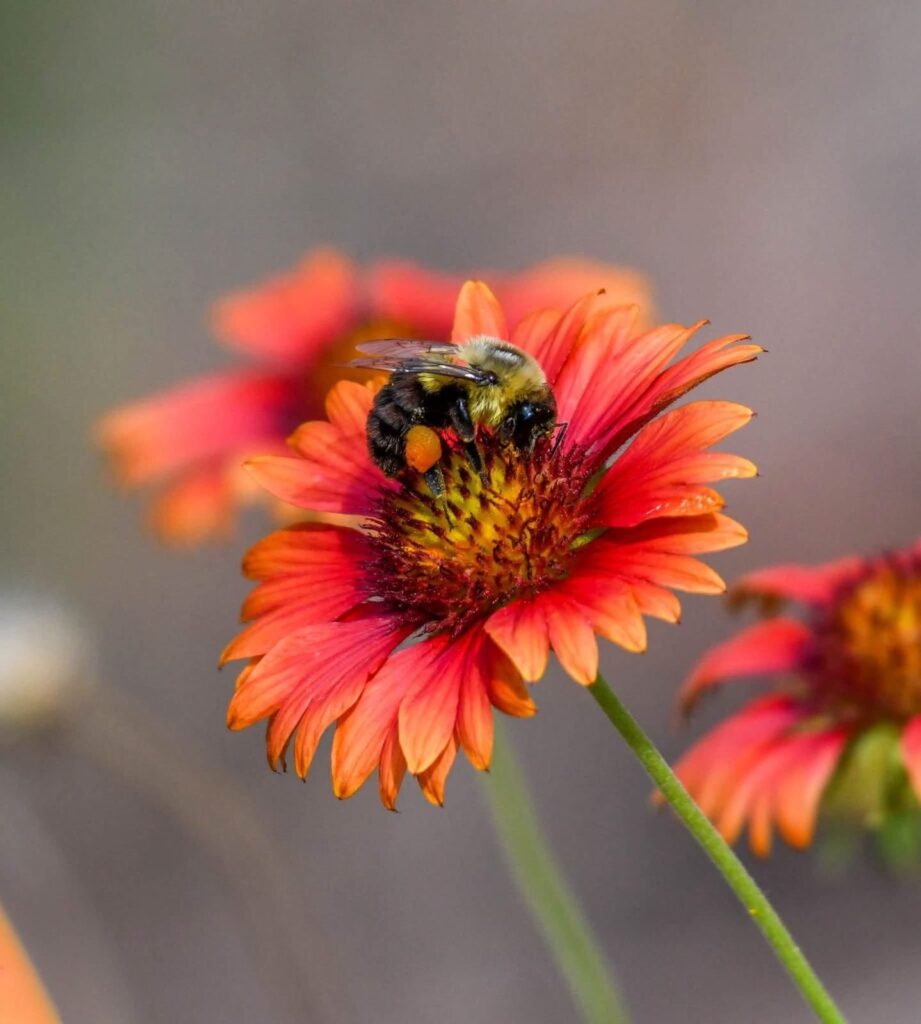
No bugs, no birds. Native flowers like blanket flower feed the insects that songbirds raise their young on.
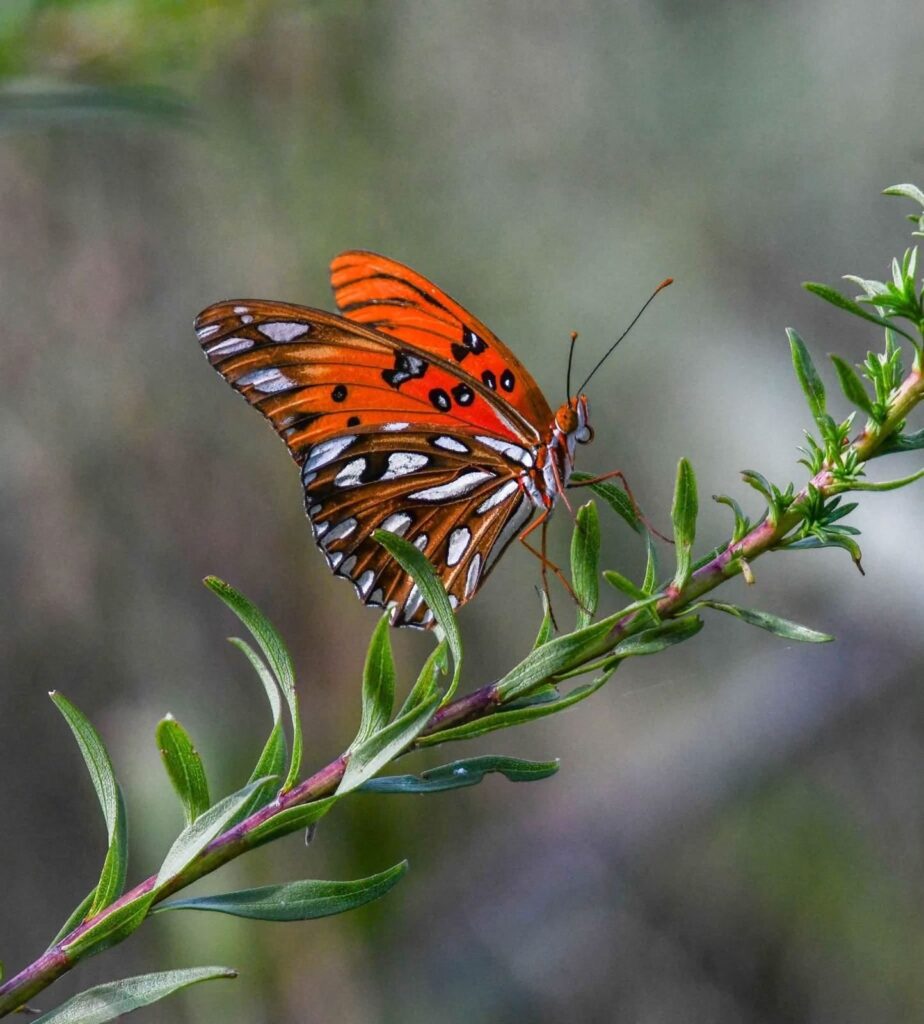
Plant native. Native plants host butterflies — and the caterpillars that are prime baby-bird food.
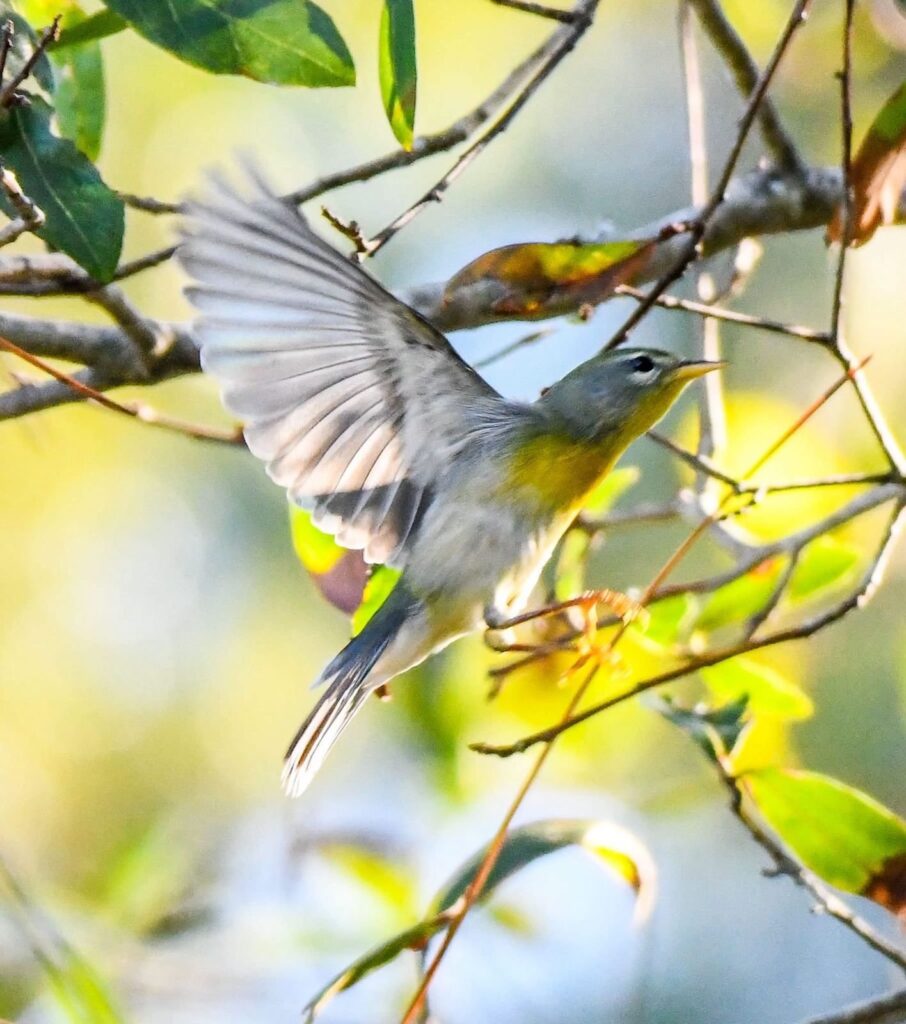
Love the moss. Northern Parulas build their nests right inside hanging Spanish moss.
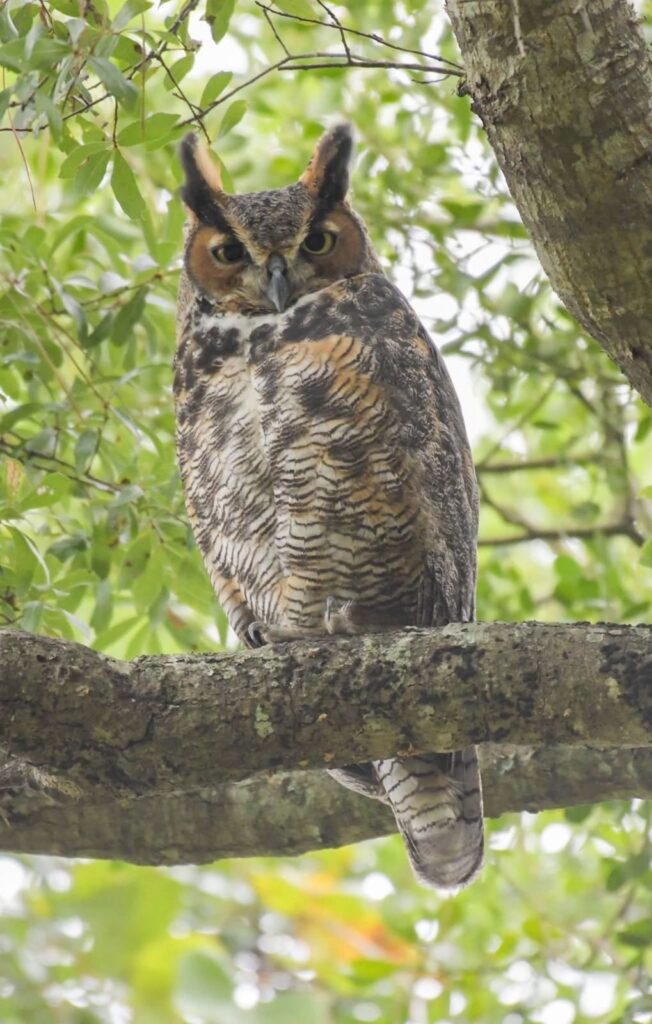
Skip the poison. Great Horned Owls and other raptors are poisoned when they eat rodents that took the bait.
New to the Lowcountry?
Welcome — the birds are glad you’re here
Our region is one of the most popular places in the country for people relocating from other states. Growth is inevitable, so the question is how we adapt. Helping native South Carolinians and new neighbors alike understand their role is one of the most powerful things we can do for birds.
Want to learn more?
Join a walk or invite us to speak to your neighborhood, club or POA.